


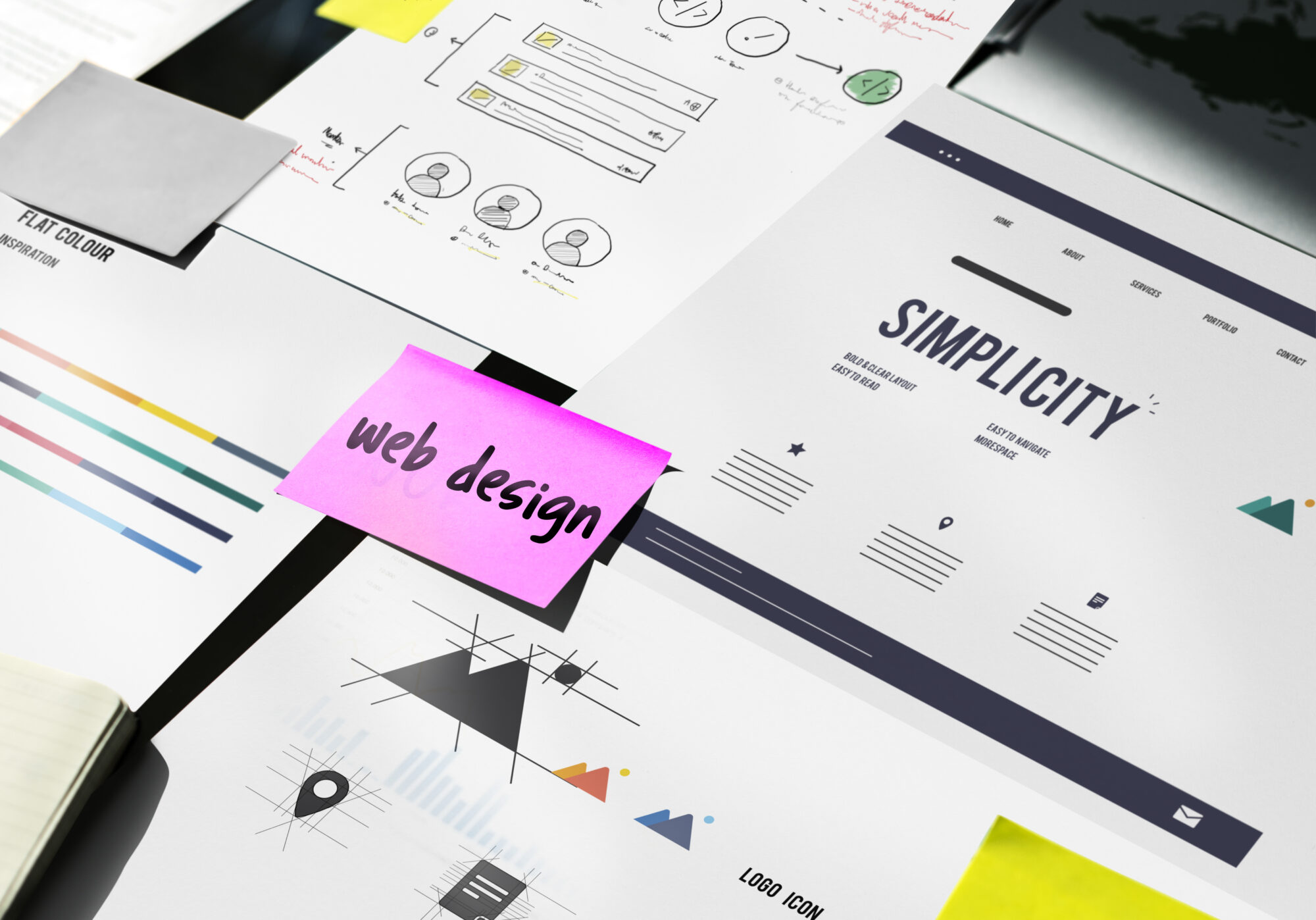
2025 is in full swing, and the digital landscape continues to evolve. At S2F, we know how overwhelming it can be to keep up with every new trend, so we’ve curated the top 10 web design trends that will define this year.
So, whether you are looking to revamp your website, or you are starting a brand new project, keep reading because these insights will help you stay ahead of the game!
Websites are evolving into immersive, interactive platforms that captivate and engage visitors in exciting new ways. By incorporating elements such as animations, quizzes, and games, you can transform a simple browsing experience into something memorable. These dynamic features offer visitors a journey that feels personal and entertaining. Users who interact with these elements stay on the site longer and are more likely to return, creating a deeper connection with your brand.
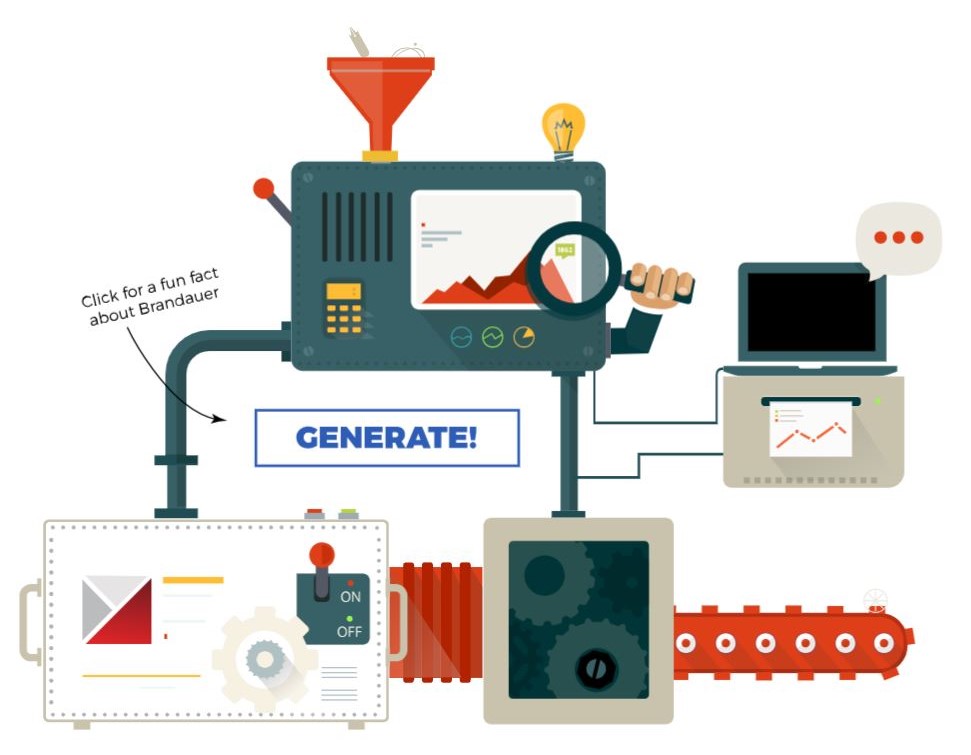
A hidden gem of interactive designs lies in the ability to hold the visitor’s attention while subtly guiding them toward key actions, such as making a purchase or signing up for a service.
Artificial Intelligence (AI) has quickly moved from a futuristic concept to a powerful tool shaping how websites are designed and experienced. By leveraging AI, you can create more intuitive, personalised websites that evolve with the user’s behaviour and experiences.
AI also streamlines design decisions and enhances deeper custom personalisation through chatbots. It can even optimise content, ensuring that what visitors see aligns with their needs and interests. Adopting AI early will allow you to improve efficiency and optimise rates by offering a more tailored and seamless experience.
As AI continues to evolve, it will only become more advanced, giving businesses that embrace it a significant edge. The future of web design is here, and AI is at the heart of it.
Are you tired of the same polished templates? So is everyone else. Enter anti-design and brutalism: ready to push back against the norm, offering customised raw visuals that demand attention. These unconventional design approaches stand out by deliberately breaking away from traditional aesthetics, favouring unexpected elements like asymmetry, clashing colours, and unrefined layouts.
Anti-design thrives on experimental, often chaotic visuals that challenge the viewer’s expectations, while brutalism, inspired by its architectural namesake, embraces a minimalist yet raw approach. The result is a style that feels unpolished, with bold fonts, stark shapes, and a utilitarian edge. Rather than aiming for beauty in the traditional sense, these styles create a sense of purposeful disruption, sparking curiosity and thought.
While these approaches may not suit every business, they can be a perfect match for industries including art, fashion, and music, where creativity and individuality are key.
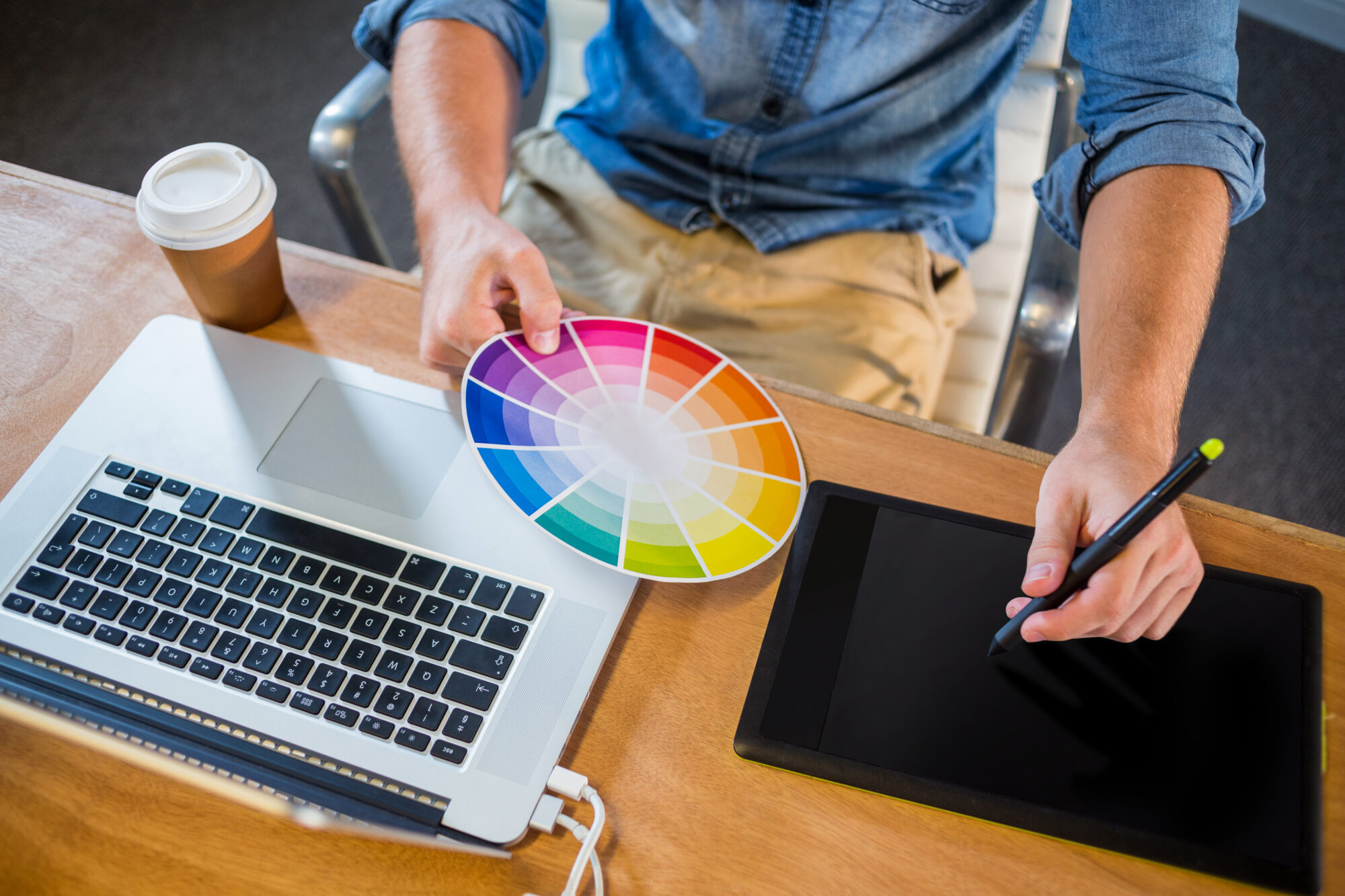
With voice-activated assistants such as Amazon Alexa, Google Assistant and Siri becoming integral to daily life, voice search is revolutionising how users interact with websites. As more people turn to voice commands for, well… everything, optimising for voice search should not feel like an option, more so if you want to stay relevant, enhance accessibility, improve user experience, and boost your search engine rankings.
Did you know that over 50% of online searches are now voice-based? This trend will continue to rise. To remain competitive, you should target conversational keywords, use schema markup to increase visibility in voice search results and ensure your sites are mobile-friendly. Local SEO is also crucial, as many voice searches are location-based. Structuring content with FAQ pages can also help align with the natural tone of voice queries. Additionally, improving page speed is essential: we want immediate answers, and we want them now.
Dark mode is rapidly emerging as one of the most popular design trends, and it’s clear (no pun intended) that it’s here to stay. By flipping the traditional light-on-dark approach, the dark mode offers a visually appealing, modern aesthetic that improves usability, reduces eye strain, and even conserves battery life on devices with OLED/AMOLED screens by turning off pixels in black areas, also making it an eco-conscious choice. This sleek, minimalistic design resonates particularly well with tech-savvy audiences, making it an attractive option for today’s digital landscape.
Many users prefer dark mode, especially in low-light environments, as it softens the harsh brightness of traditional light backgrounds. This is particularly beneficial for those who spend long hours online.
Integrating dual modes into web design – where users can toggle between light and dark modes – has become a standard feature for many websites. This allows users to choose their preferred viewing experience. The more comfortable the viewing experience, the more users will be encouraged to spend time on your site, leading to higher engagement and lower bounce rates.
Dark mode is no longer just a trend; it is a design evolution that aligns with the needs of today’s digital consumer.
Walt Whitman once said, “Simplicity is the glory of expression”, and nowadays, this continues to be true. Minimalistic design should be the go-to approach if you are looking to create impactful, user-friendly websites. By stripping away unnecessary clutter, you ensure that users can easily navigate your website and find what they need without distractions. This focus on simplicity allows essential elements – including call-to-action buttons, headlines, and product images – to shine, creating a seamless experience that guides users effortlessly toward their goals. A clean, minimalist design improves usability and enhances user satisfaction; they also load faster, boosting SEO rankings.
Ensure that you make use of the following features so that visitors find your website easy to follow…
However, embracing minimalism comes with challenges. Balancing simplicity with the need for depth can be tricky: make sure to add collapsible menus or FAQ sections to provide additional information.
Virtual Reality (VR) and Augmented Reality (AR) are pushing web design into uncharted territory. VR provides a fully immersive experience where users enter a computer-generated landscape, often using specialised VR headsets. In contrast, AR overlays digital content in the real world and is viewable on smartphones, tablets, or AR-enabled devices. Both technologies can turn a website from a static destination into an engaging, memorable experience.
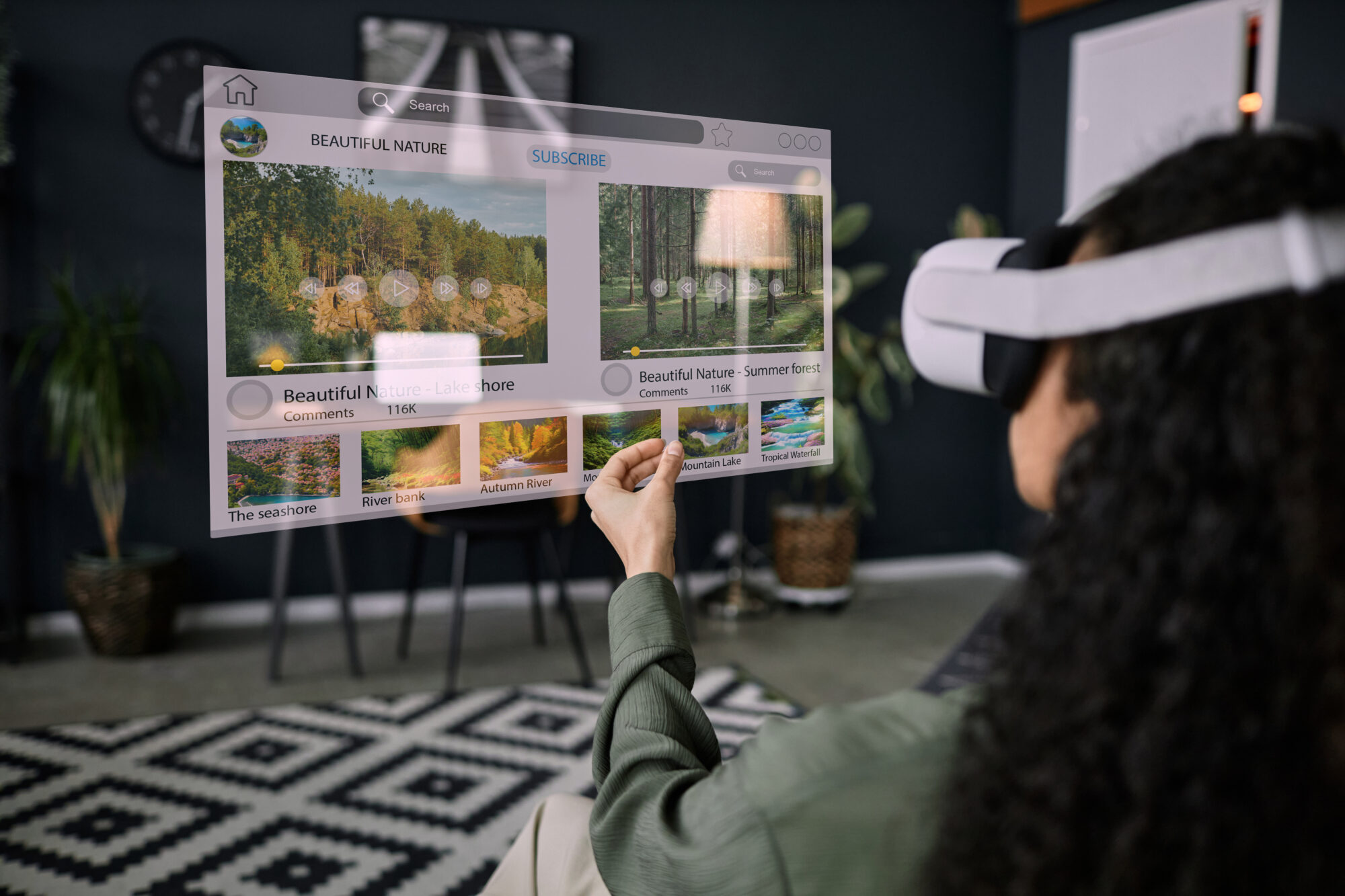
These technologies keep users engaged longer, offering something unique that traditional websites can’t. By allowing customers to visualise products more realistically, VR and AR help ease purchase decisions, driving higher conversion rates. Another plus is that the early adopters of these technologies also position themselves as forward-thinking and innovative, appealing to a tech-savvy audience eager for the latest digital experiences. While VR can be a significant investment, and not all that inclusive (not everyone has a VR headset), starting small with AR features can make a big impact without breaking the bank.
As these technologies evolve from “nice-to-have” features to essential tools, adopting them early will set you apart, making you a leader in the digital era.
This effect is perfect for brands looking to tell a story, showcase products, or guide visitors through a sequence of information in a memorable way.
Implementing parallax scrolling involves using layered backgrounds that move at different speeds to create the illusion of depth resulting in a 3D-like illusion that draws users in and encourages exploration. Parallax effects should be strategically placed to highlight key content, such as a product showcase or a call-to-action, ensuring the technique enhances rather than overwhelms the user experience. Performance optimisation is essential, as heavy animations can slow load times, so lightweight coding and image compression are key.
Micro animations may be small, but their impact is huge. While they may seem like small, insignificant details, these animations play a key role in creating a smooth, intuitive user experience. From buttons that change colour when hovered over to icons that gently spin or shake, micro animations offer visual cues and feedback that guide users through a website.
This year, web design is set to prioritise seamless interactivity, and micro animations will become even more crucial in shaping the overall user experience. These animations are decorative, but they are also purposeful, enhancing usability and functionality. Users who receive visual feedback feel more confident that their actions are being acknowledged.
Last but not least, it’s important to note that custom illustrations and abstract designs will redefine web design this year. Why? Because it allows brands to express their unique identity and creativity. You must move away from generic stock images and templates. Make your own artwork and design concepts that will captivate your audience, communicate messages effectively, and help you create a distinct online presence.
2025 is shaping up to be a year of bold creativity, cutting-edge technology, and user-centric design in the digital space. From playful interactions to the transformative power of AI, and from minimalist elegance to immersive VR and AR experiences, this year’s trends offer countless opportunities to elevate your online presence.
Embracing these trends thoughtfully can help you and your business stand out, engage your audience, and drive meaningful results. So now you know, the key is to balance innovation with functionality and always keep your users’ needs at the heart of the design.
At S2F, we know and firmly believe that your website is more than just a digital storefront – it’s a platform to tell your story, showcase your brand, and connect with your audience. By adopting these trends, you will stay ahead of the curve, creating a lasting impression that keeps users coming back.
Did you know that S2F has a WEBSITE DESIGN & DEVELOPMENT service? Why not contact us for further information?
Dark mode reduces eye strain in low-light conditions and can save battery life on devices with OLED screens.
AI analyses user behaviour to provide personalised content and layout suggestions, enhancing relevance and engagement.
Anti-design challenges traditional aesthetics by embracing unconventional layouts, asymmetry, and clashing colours to create unique, attention-grabbing websites.
VR and AR can offer immersive experiences, such as virtual product trials or interactive tours, enhancing user engagement and providing a unique user experience.
Staying updated with website design trends ensures your site remains modern, competitive and engaging. It helps enhance user experience, improve functionality, and attract more visitors.
Playful designs work best for industries focused on creativity, such as entertainment, gaming, education and e-commerce. However, any business can use interactive elements to improve engagement.
Many tools and platforms offer affordable, scalable AI and AR solutions tailored for small businesses. Starting small – by using AI-powered chatbots or AR product previews, for example – can make a significant impact without a large upfront investment.
Not at all! You can start by focusing on conversational keywords, improving page speed, and using structured data like schema mark-up. These steps make your website voice-search-friendly and boost overall SEO.