


According to Harvard Business School professor Gerald Zaltman, 95% of purchase decisions are subconscious. We knew that from an emotional perspective (thanks to our previous blog) – but if we dive a bit deeper, that means every campaign, whether B2C or B2B, succeeds or fails, based on how well it aligns with the shortcuts, biases, and instincts buried in the human mind. So today, I bring you a thorough look into the mind and the science that rules all: the psychology of marketing.
And I know a lot of people still argue that psychology is a pseudoscience, but if we break it down, psychology uses the scientific method, is based around empirical evidence, and more importantly, it is based around falsifiable theories, as all other “hard” sciences do. A theory is only true on a provisional basis and will be modified or replaced if new evidence arises.
So, let’s get right into it.
Colour is often the very first impression a buyer gets. In fact, research shows up to 90% of snap judgments are based on colour alone (Singh, 2006).
But here’s the catch: it’s not about picking the “right” colour.
“Appropriate colour is more important than the colour itself.”
Satyendra Singh’s “Impact of Color on Marketing”, HelpScout

If we look at some of the main colours that we see in our day-to-day, we can find a lot of BLUE. Blue signals trust, stability and corporate authority and is seen everywhere from banks to utilities. Another colour that comes to mind is GREEN. Green pushes from freshness, calmness, and healthy associations, and a strong sustainability thread. Think of BP’s green-and-yellow palette post-rebrand in the 2000s, establishing itself as an environmentally conscious energy company with a focus on renewable sources.
Or if we look more toward our daily food shopping needs. We have green in Asda, The Coop, Morrisons, Waitrose, Ocado, Spar, Costcutter, Budgens, Londis, and many more. But if we stay in food shops, we also see a lot of RED, ORANGE, and YELLOW. These colours are warm, “appetite-stimulating” that generate feelings of urgency, excitement, happiness, appetite and hunger. Examples of this are Tesco, Lidl, Aldi, Sainsbury’s, Iceland and many, many more.


But let’s shift the focus back to B2B and the psychology of marketing. Many brands default to what is considered “safe” blues and greys, but studies suggest that that can be a missed opportunity. UK-based energy start-up Octopus Energy leaned into bright pink and green (colours rarely seen in utilities) to stand out as modern and people-focused. Their rapid growth shows the Von Restorff effect (the “isolation effect”) in action: what’s different gets remembered.
So B2B should be no different. You should choose colours not just for your industry norms, but for the emotions and associations you want buyers to feel.
As effective as we may be in communicating and listening, the harsh truth is that people only remember about 10% of what they hear. And for writers, and this hurt me deeply, it gets no better. People only remember around 20% of what they read!
Luckily, it’s not all bad. As you know, it is widely known that in marketing, you need strong, striking visuals. That is because people will remember around 65% of what they see. This is called the Picture Superiority Effect (Paivio, 1971; Nelson, 1976).

This means that even though words alone do not carry the weight of your campaign, when combined with visuals, they will make memory skyrocket. That principle, called Dual Coding, is the reason why infographics, case study photos, and simple charts often outperform long whitepapers.
Even small changes in visuals have a big impact. Stock photographs or images that look generic will underperform authentic images of your team, your products in use, or real customer environments. The latter ones increase trust and relatability. Brand-wise, if we compare a “faceless” software landing page to Sage’s UK campaigns showing real business owners, we can immediately feel that the latter builds both credibility and emotional resonance.
So, here at S2F, we will always push our clients to lead with authentic visuals – which can always be struck by our in-house photographer/videographer if need be – and use words to support and drive the message home!
On our previous blog, I mentioned that we liked to think B2B buyers weigh every option rationally. But, in reality, their brains are running on shortcuts. Some emotional, some cognitive, but most subconscious.
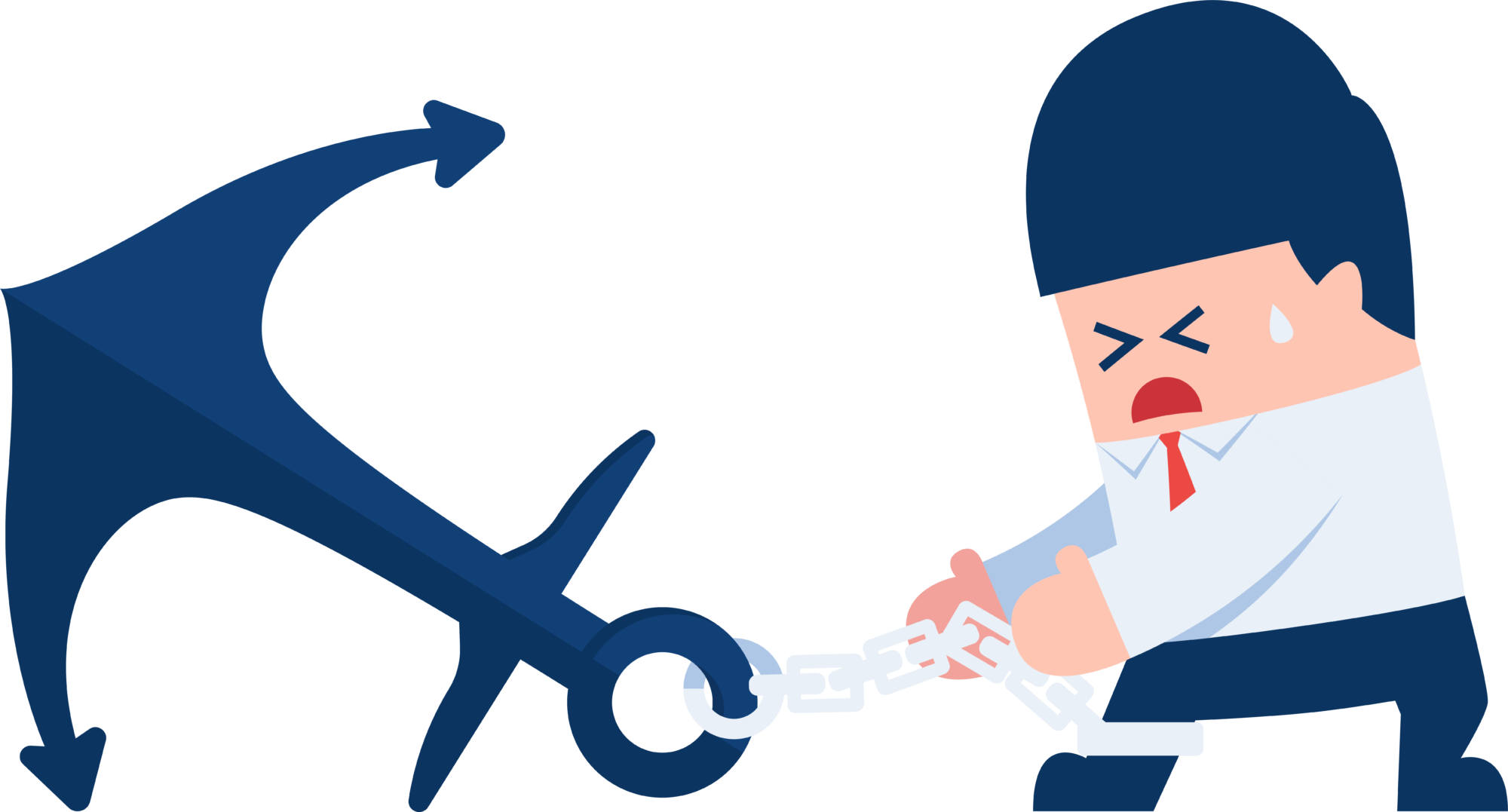
Anchoring bias: The first figure frames everything. A platform showing its £499/month tier first will make the £299/month option feel incredibly affordable – which can also be extrapolated to statistics. People will heavily rely on the first piece of information they receive when making decisions. The figure with which you lead will be the lens through which all other figures will be judged. If you intend to impress, lead with your most impressive statistic first.
Social proof: Gartner found 84% of B2B buyers start with a referral. Testimonials, reviews, and case studies should not be a “nice extra”; they should be built into the identity of a brand.
Loss aversion: I think I don’t talk just about myself when I say that I am twice as motivated to avoid losing or spending money as I am to secure or gain some of it. For strict manufacturing environments, “Avoid regulatory fines” will land harder than “Save money on compliance.” This is a tricky one, though. If we try to balance the Loss Aversion effect with emotional marketing, we find that the latter one tells us not to use fear as a campaign driver. So, which one do we choose? I would say neither.

Find the sweet spot that works for you. Maybe the loss aversion will open the door, show what’s at stake if the action is not taken, but then immediately let emotion invite your buyer to stay, anchoring your brand as a safe, credible, and positive alternative. Nobody wants to feel sold out of fear, but we all want to feel safer once the risk is out of sight.
Scarcity is the fancy word to describe how businesses make FOMO sink into your bones. Limited availability, early access, limited time only, etc., will increase value. Even in B2B, FOMO works.
Mere exposure effect: They say familiarity breeds contempt, but I disagree. So does psychology. The Mere Exposure effect shows – through studies – that familiarity breeds trust. Repeated touchpoints – LinkedIn posts, consistent brand visuals, retargeting ads – build subconscious comfort.
I am not a Pret A Manger kind of person, but if I think about their “coffee subscription” launch objectively, which was anchored by a higher “walk-in” price, the subscription looked to be of incredible value. And with signs in every store, the Mere Exposure effect kicked in until it became a no-brainer for loyal customers.

The Von Restorff effect (also known as the isolation effect) shows that items and people that stand out are more likely to be remembered. So, if you are doing a LinkedIn post, make sure you are the one using a striking metaphor, using an unusual colour palette, or a bold angle – something that will make you stick in the memory of your prospects.
Cognitive fluency: How many times have you heard someone say, “Can you just give it to me in plain English?” Many? Same. This event actually has solid research behind it. The brain does prefer things that are easy to process – simple language and a clean design. People are more likely to trust and choose what feels natural and fluent. Clear, simple, and visually digestible messaging signals credibility and ease.
Endowment effect: People will value something more simply because they own it. Interactive demos, free trials, and tailored mock-ups work because once a buyer “owns” the experience. Walking away actually feels like a loss, and we’ve already discussed how adverse to losing humans are.
Zeigarnik effect and the Information Gap Theory: The brain remembers unfinished tasks better than completed ones. It happens all the time. You keep going over the incomplete tasks in your head, but can hardly remember one that you completed five minutes ago. This means teaser campaigns, “coming soon” blogs, gated content… they all create a cognitive itch. [Add customer example here.]
Reciprocity is one of the big ones for S2F. Warren, our Managing Director, always talks about “Give to Gain”. That is not just a cute play on words; it’s psychology. In B2B, reciprocity is the engine behind free audits, whitepapers, or product trials. Each free resource plants a seed: the subtle sense that you “owe” the brand your time, attention, or even a sales conversation. It’s why those downloadable guides keep working, even when everyone knows they’re part of a funnel. By offering value first, you position yourself as the partner worth giving back to. Psychology of marketing.
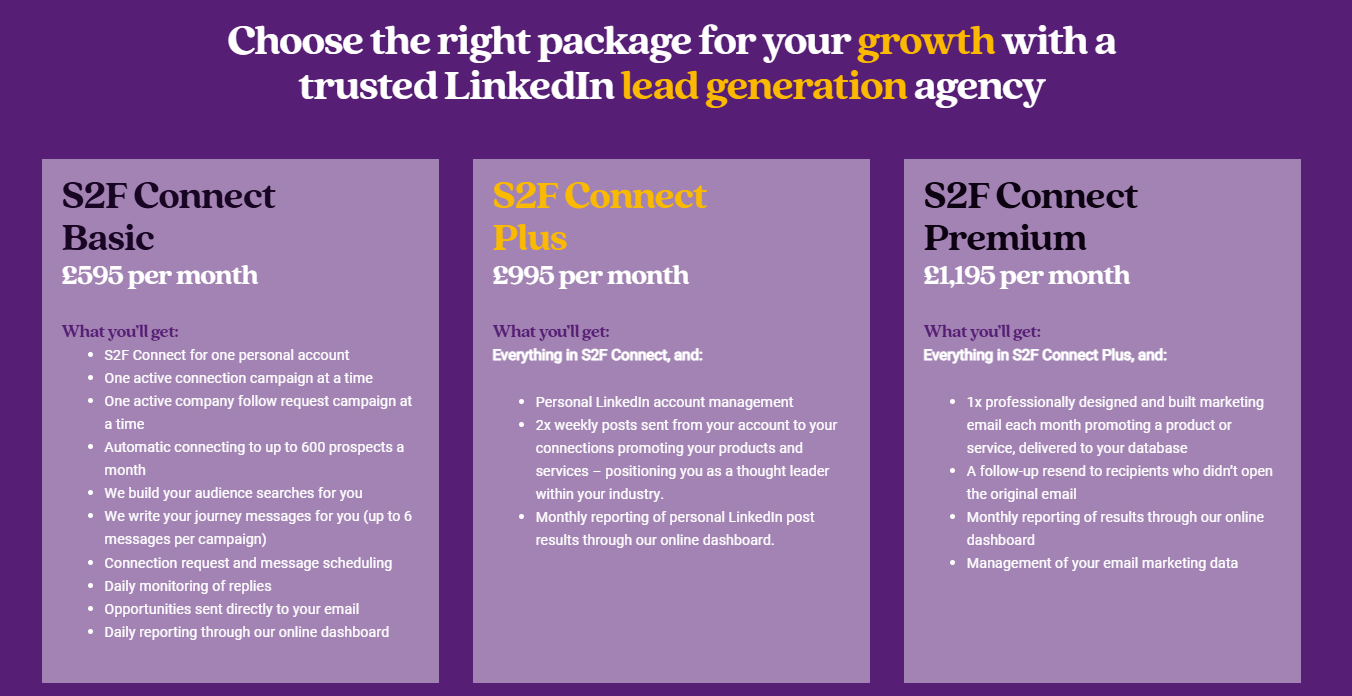
Decoy effect: Sometimes the smartest choice isn’t about what you offer, but what you put next to it. The decoy effect makes one option look irresistibly attractive when compared to a deliberately less appealing third. It’s why “basic, pro, premium” pricing tiers so often drive people to the middle: suddenly, it feels like the sweet spot. In B2B, packaging your services or proposal structures in threes can guide buyers without saying a word. The choice isn’t really between two options: it’s between the one you want them to take and the decoy you planted beside it. Psychology of marketing.
Verbatim effect: Linking back to the picture superiority effect, people rarely remember the exact words you use. Instead, they carry away the gist. That’s the verbatim effect at work. In B2B, this means that drowning prospects in technical specs is a waste because they won’t retain the detail. What they will remember is the headline: “this solution saves time,” “this supplier is trustworthy,” “this product makes me compliant.” Buyers will never walk away quoting your spec sheet; they will walk away with a feeling. Make sure it’s the one you want them to feel. Psychology of marketing.
Pygmalion effect: People often rise to the level of the expectations placed on them. That’s the Pygmalion effect. Treat someone as a leader, and they’ll behave like one. In B2B, messaging has the same power. Speak to your buyers as pioneers, innovators, or industry leaders, and you are framing their identity in a way they’ll want to live up to. That’s why campaigns that position audiences as “shaping the future” or “driving change” resonate so deeply. Show your buyer who they could be and let their brains do the rest.
Biases aren’t magic tricks; they are mental defaults. Smart marketers – ahem S2F ahem – work with them, not against them. Psychology of marketing.
BuLast time I said “Emotion wins. Always.” And I stand by it. Forrester found B2B buyers are twice as likely to choose a brand that delivers personal value (confidence, credibility, reduced anxiety) over strictly business value. That flips the myth that B2B is all logic. Psychology of marketing.
Paul Zak, neuroscientist and author, found “stories cause the brain to release oxytocin, making us more empathetic and likely to take action.” In other words, storytelling makes your brain release the I want to get involved chemicals. Psychology of marketing.
“Stories cause the brain to release oxytocin, making us more empathetic and likely to take action.”
An example of this is BT’s “Skills for Tomorrow” campaign, which framed the telecom giant not as a provider of services, but as an enabler of digital confidence for small businesses and families. The story shifted brand perception and created deeper trust than product specs alone ever could.
So how do you apply this in B2B? Tell stories that reduce risk (testimonials), build brand identity (consistency), and show your buyer the confident leader they want to be. Psychology of marketing.
Context matters. Of course it matters. We all have had moments where, mid-conversation, we’ve thought, “This conversation without context would definitely sound so wrong”. But it goes beyond that. Beyond borders, even. Psychology of marketing.
Take Spain and the United Kingdom. They are not that far apart from each other, yet… I, a culturally overt Spanish individual, will interpret, understand and do things differently than someone born and raised in the United Kingdom. Neither interpretation is wrong, but it does highlight that not all brains interpret signals the same way. There are three main branches in psychology for marketing, so let’s have a look at them.
We may live in a digital economy, but our brains still run on ancient code. The instincts that once helped us survive – seeking safety, recognising patterns, trusting the familiar – are the same ones that shape how we buy. The mere exposure effect is a perfect example: if we see something repeatedly, our brain tags it as safe. That’s why even global giants like Coca-Cola still pour billions into advertising. In B2B, the same rule applies. The more often your buyers encounter your message, the more credible and trustworthy you become. Consistency is good marketing, or in this case, evolutionary reassurance.
People buy to signal identity. A luxury car signals status. A sustainable packaging choice signals values. A multicoloured rainbow signals LGBTQ alliance. We do things, and we buy things to show glimpses of ourselves without having to explicitly talk about it. It is a social understanding, and brands are no different. UK firms like BrewDog leverage this by selling not just beer, but an eco-warrior identity. How many trees have you planted? Psychology of marketing.
The same cue can mean opposite things in different contexts. Walmart learned this in Germany when its US-style “smiley greeters” unsettled shoppers. What felt friendly in Arkansas came across as insincere in Berlin. Psychology of marketing.
For UK marketers, cultural nuance is essential. Colours, gestures, and even levels of formality carry different meanings across regions and industries. Take colour: while red might signal urgency in the UK, in China it symbolises luck and prosperity. Psychology of marketing.
If a brand gets it wrong, they risk alienating audiences or even sparking backlash. But if they get it right, they can translate language meaningfully. So, you should never assume your message will land the same everywhere. Cultural psychology reminds us that marketing isn’t universal: it’s contextual.
Marketing is a never-ending wheel of psychology in action. It’s not about manipulation and striking where it’s most likely to “hurt”. It is about understanding the human in the buyer’s seat. The more we align campaigns with how the brain naturally works, the more we connect. Psychology of marketing.
Or, as one researcher put it…
“Psychology in Marketing is about connection, not coercion. It’s the science of being remembered.”
If you want campaigns that speak to the subconscious as well as the conscious, let’s talk.
If you want more articles like this, follow S2F Marketing on LinkedIn. Psychology of marketing.
Psychology in Marketing studies how human emotions, instincts, and cognitive biases influence buying behaviour. It helps brands connect with audiences on a subconscious level, guiding everything from colour choice to campaign storytelling.
Because B2B buyers are still human. Emotional reassurance, familiarity, and trust shape their decisions just as much as logic or data. Understanding psychology in marketing helps B2B brands build stronger, more memorable connections.
Some of the most powerful include:
– Reciprocity: giving value first encourages engagement.
– Anchoring bias: the first figure shapes perception.
– Social proof: we trust what others endorse.
– Loss aversion: people prefer to avoid loss over gaining.
– Mere exposure effect: familiarity builds trust.
Colour influences emotion and memory. Choosing colours that evoke your desired feeling (rather than defaulting to industry norms) can increase recognition, trust, and engagement; especially when paired with authentic imagery.
By using psychological insights to enhance connection, not manipulation. That means communicating clearly, offering genuine value, and designing campaigns that respect the customer’s intelligence and autonomy.
To request our services, you can email us at info@s2fmarketing.co.uk or call us on 0121 607 1908. And to keep up with the latest news and events from S2F and the team, you can follow us on Instagram, Facebook, and LinkedIn!

Andrea Gardia
Content Creator
Other articles:
Bridge the gap and build your network with S2F Connect
20 years of S2F: garage doors to glass doors
Top 10 website trends for businesses in 2025